


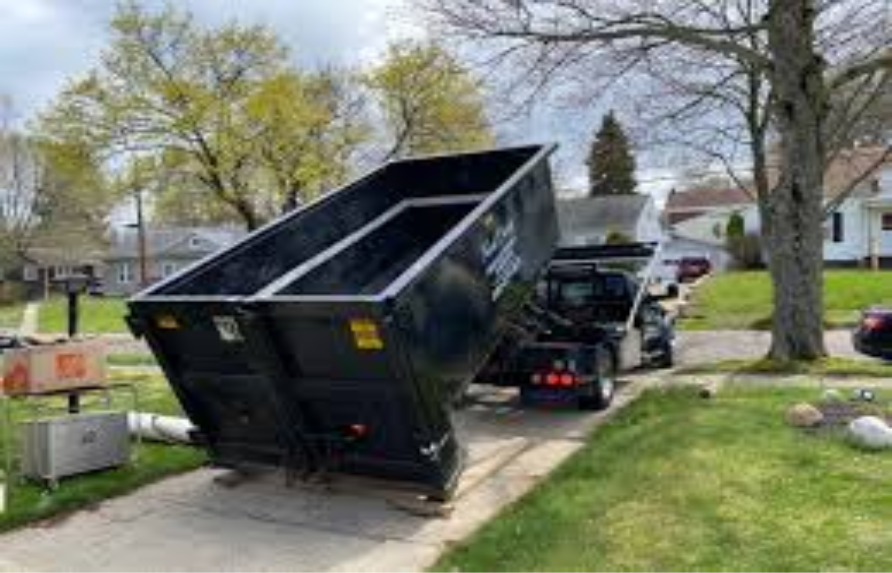
A warehouse cleanout dumpster Toronto from Purple Dumpster managing large-scale inventory turnover is a constant challenge for busy commercial facilities, especially during seasonal transitions, overstock periods, and warehouse reorganizations. Many businesses now rely on a warehouse cleanout dumpster Toronto companies can schedule quickly to handle bulk waste, damaged goods, pallets, packaging materials, and outdated equipment. With fast delivery, high-capacity bins, and compliance-friendly disposal options, rental dumpsters have become one of the most efficient ways for Toronto warehouses and retail stores to streamline cleanouts, reduce clutter, and maintain smooth day-to-day operations.
The Growing Need for Efficient Inventory Cleanouts in Toronto
Toronto is one of Canada’s busiest commercial hubs, with thousands of warehouses, distribution centres, and retail outlets operating in highly time-sensitive environments. As product turnover accelerates driven by e-commerce, consumer demand, and fast merchandising cycles inventory levels frequently spike beyond available storage capacity.
Why Warehouses & Retailers Struggle with Inventory Overflow
Toronto-based retailers and warehouse operators face unique challenges due to high product movement, return processing, and seasonal fluctuations. Common issues include:
- Overstock crowding shelves
- Unexpected product returns
- Damaged or expired goods
- Limited storage and backroom space
- Regulatory pressure to manage waste responsibly
When inventory overflow becomes unmanageable, it slows down operations, disrupts workflows, and increases labour hours spent navigating cluttered spaces.
Seasonal Surplus, Overstock & Returns Impact
Peak seasons such as back-to-school, holiday sales, or clearance events lead to massive surges in stock levels. Returns also spike during these periods, adding even more waste and unusable merchandise.
This sudden influx can overwhelm waste handling processes. Rental dumpsters provide a centralized, scalable solution to handle surges quickly without disrupting customer service or logistics operations.
Toronto’s Waste Compliance Requirements for Businesses
Toronto enforces clear rules for:
- Recycling and waste sorting
- E-waste handling
- Packaging disposal
- Commercial waste volume limits
- Prohibited materials
Businesses must ensure that materials are disposed of properly to avoid fines or compliance issues. Dumpster rentals from knowledgeable providers help businesses stay aligned with these regulations through proper bin sizing, material guidelines, and waste management support.
Why Dumpster Rentals Are the Smartest Cleanout Solution
Commercial dumpsters offer a streamlined approach to managing the significant waste generated during inventory purges. Unlike ad-hoc waste disposal or relying solely on internal garbage bins, dumpsters provide dedicated, high-capacity waste solutions designed for large-scale business operations.
On-Demand Capacity for High-Volume Waste
Warehouse and retail environments generate significant waste, especially during cleanouts. Dumpsters offer:
- Large capacity for bulk waste
- Ability to handle mixed materials
- On-site convenience for continuous disposal
- Reduced clutter and safer workspaces
With an on-site dumpster, businesses can eliminate waste instantly rather than staging it for later removal.
Saves Time vs. Multiple Dump Runs
Transporting waste to a landfill or transfer station requires:
- Vehicles
- Fuel
- Labor
- Time away from core operations
A single dumpster:
- Reduces or eliminates transportation time
- Minimizes downtime
- Keeps employees focused on operational tasks
It also centralizes waste handling, which is critical during large inventory purges.
Flat-Rate Pricing Reduces Cost Overruns
Although specific costs are not mentioned here, flat-rate dumpster rentals typically provide predictable billing without unexpected add-ons, ensuring businesses stay within budget for cleanout projects.
Types of Waste Generated in Warehouse & Retail Inventory Purges
Warehouse and retail cleanouts produce a wide variety of waste materials many of which require specific disposal methods or segregation practices. Understanding these waste types helps businesses plan effectively and choose the right dumpster configuration.
Pallets, Crates & Broken Wood Waste
Warehouses cycle through dozens of pallets weekly. Damaged or broken pallets can create safety hazards and pile up quickly. Dumpsters provide a safe and compliant way to dispose of them.
Bulk Cardboard, Plastic Wrap & Packaging Waste
Packaging material is one of the largest waste streams in retail and warehousing. Dumpsters make it easier to collect and compact:
- Cardboard boxes
- Shrink wrap
- Plastic straps
- Bubble wrap
- Cardboard inserts
This prevents packaging waste from cluttering aisles and loading docks.
Electronic Waste from POS Systems & Scanners
When businesses upgrade equipment, outdated devices can’t be discarded like regular garbage. Dumpsters that support e-waste collection ensure:
- Responsible recycling
- Protection of sensitive data
- Compliance with Toronto’s electronics disposal rules
These e-waste streams may include barcode scanners, handheld devices, POS components, and cables.
Choosing the Right Dumpster Size for Commercial Cleanouts
Selecting the appropriate dumpster size is crucial for managing waste efficiently, preventing overflow, and avoiding operational delays. Different cleanout projects require different capacities, depending on the type and volume of waste produced.
Best Uses for 10-Yard Bins (Light Retail Work)
Ideal for:
- Small backroom cleanouts
- Limited packaging waste
- Light renovation debris
Retailers with small storage areas often prefer this size for transitional cleanouts.
Best Uses for 20-Yard Bins (Packaging + Mixed Waste)
The most versatile size for both warehouses and retailers. Supports:
- Cardboard and packaging purges
- Seasonal inventory cleanup
- Mixed materials
This size strikes the perfect balance between capacity and space efficiency.
Best Uses for 30-Yard Bins (Warehouse Purges)
Designed for large operations or special projects such as:
- Full warehouse reorganizations
- Pallet disposal
- Overstock and returns processing
- Store remodel projects
Its greater capacity minimizes the need for multiple pickups.
Step-By-Step Guide to Planning a Cleanout in Toronto
Effective cleanout planning involves a structured approach that accounts for waste volume, business operations, staffing requirements, and compliance rules. The first step is assessing the types and quantities of waste generated. This evaluation enables accurate dumpster size selection and ensures all materials will be handled properly.
Conducting a Waste Volume Assessment
Start by identifying:
- Types of waste generated
- Volume of waste
- Areas with the highest accumulation
- Any restricted materials
This ensures businesses choose an appropriate dumpster size and disposal method.
Identifying High-Waste Zones in Warehouses
Common areas requiring attention include:
- Receiving docks
- Return processing zones
- Overstock aisles
- Production and packaging zones
- Storage mezzanines
Targeting these areas speeds up the cleanout process and reduces operational disruption.
Scheduling Bins Around Delivery Operations
To avoid delays or workflow congestion:
- Plan deliveries around off-peak hours
- Position dumpsters away from main traffic lanes
- Avoid blocking loading docks
- Coordinate timing with logistics teams
Proper scheduling minimizes conflict with ongoing operations.
How Dumpster Rentals Improve Efficiency & ROI
Implementing rental dumpsters can significantly improve operational workflow and financial efficiency. By centralizing waste collection, businesses reduce labour hours previously spent transporting debris or organizing scattered waste piles. Employees can focus on core tasks rather than waste handling, greatly improving shift productivity.
Reduces Labor Hours Through Centralized Waste Flow
Without a dumpster, employees make repeated trips to waste areas or off-site disposal locations. When waste is centralized:
- Fewer trips are needed
- Staff remain focused on essential tasks
- Cleanup time is drastically reduced
Centralized disposal significantly improves daily workflow.
Improves Picking, Packing & Stock Movement
Clutter-free aisles and staging areas allow:
- Faster picking
- Improved stocking
- Safer employee movement
- Higher accuracy in order fulfilment
Waste management directly supports operational flow.
Clears Aisles, Loading Bays & Storage Areas
Blocked aisles lead to slow workflows, safety hazards, and delayed shipments. Dumpsters help businesses continuously remove waste and maintain clear, efficient working spaces.
Sustainability Benefits for Toronto Businesses
Toronto has strong sustainability expectations for commercial establishments, making responsible waste management a priority. Rental dumpsters support eco-friendly operations by simplifying waste segregation and encouraging proper recycling practices.
Better Recycling Rates with Waste Segregation
Many inventory cleanouts involve recyclable materials such as:
- Cardboard
- Plastics
- Pallets
- Metals
Proper waste segregation supports Toronto’s recycling goals and reduces landfill contribution.
Responsible E-Waste Collection Channels
When e-waste is handled properly, components are diverted to:
- Certified recycling facilities
- Electronics refurbishes
- Safe material extraction operations
This prevents harmful substances from entering the environment.
Supports Toronto’s Zero Waste Strategy
By improving waste handling, businesses align with the city’s goal of reducing landfill dependence and improving circular waste practices.
How to Choose the Right Dumpster Rental Provider in Toronto
Selecting a reliable dumpster rental provider ensures a smooth, efficient, and compliant cleanout process. The best providers offer transparent rental terms, clear material guidelines, and structured processes for delivery, pickup, and waste handling.
Look for Transparent Pricing & No Hidden Fees
A trustworthy provider offers clear rental terms, explaining:
- Weight limits
- Acceptable materials
- Rental period
- Pickup procedures
Transparency ensures no unexpected costs later.
Ensure Timely Delivery & Pickup Windows
For commercial operations, timing is everything. A reliable provider:
- Delivers dumpsters on schedule
- Avoids disrupting operations
- Offers flexible pickup options
This ensures smooth workflow throughout cleanouts.
Conclusion
Inventory cleanouts are necessary for maintaining safe, organized, and efficient warehouse and retail environments in Toronto. With high waste volumes, seasonal stock fluctuations, and strict disposal regulations, businesses need practical and efficient waste management solutions. Rental dumpsters offer the ideal combination of convenience, capacity, flexibility, and compliance.
By choosing the right dumpster size, planning cleanouts strategically, and leveraging centralized waste handling, retail and warehouse teams can significantly improve workflow, reduce downtime, and maintain safer operational environments. Incorporating sustainable disposal practices further supports Toronto’s environmental goals while ensuring cleanout activities remain fully compliant with local regulations. Generating a clear, structured waste management plan helps businesses stay productive, organized, and prepared for future inventory cycles.
Get in touch for dumpster rental.
Frequently Asked Questions (FAQs)
1. What size of dumpster is best for a warehouse cleanout in Toronto?
Warehouse cleanouts typically generate large volumes of waste, including pallets, packaging, and damaged goods. A 20-yard or 30-yard dumpster is recommended for most warehouse operations. The 20-yard bin handles a mix of waste materials efficiently, while the 30-yard option is ideal for large-scale reorganizations, clearance projects, or removal of bulky items. Smaller dumpsters may fill too quickly, requiring multiple pickups.
2. Can I dispose of e-waste from POS systems, scanners or computers?
Yes, e-waste from business operations can be disposed of during cleanouts, but it must be handled responsibly. Many dumpster services accept electronics, but they follow specific recycling procedures mandated by Toronto’s waste management rules. Items like barcode scanners, POS components, cables, and handheld devices often require specialized recycling. Always confirm acceptable materials before placing e-waste in a dumpster.
3. How long can businesses keep the dumpster onsite?
Most providers offer rental periods ranging from several days to a couple of weeks, with options for extensions if needed. Warehouses and retailers commonly schedule dumpsters for the duration of an inventory purge or renovation cycle. The rental period should align with the scope of the project, operational hours, and waste volume. Flexible timing ensures cleanouts can be completed efficiently.
4. Are there restricted materials I cannot throw in a commercial dumpster?
Certain materials including chemicals, hazardous liquids, batteries, solvents, and some types of electronics cannot be placed in standard dumpsters due to municipal regulations. These materials require special disposal or handling methods. Retailers and warehouses should always verify material restrictions to avoid compliance issues or safety concerns. The dumpster provider will typically supply a list of prohibited items.
5. How do I schedule a cleanout around peak retail hours?
To minimize operational disruption, schedule dumpster drop-offs and pickups during off-peak hours, such as early mornings or before store opening. Warehouses often align cleanouts with low-traffic periods or shifts with fewer active deliveries. Communication with logistics teams ensures that loading docks, aisles, and receiving zones remain clear while cleanout tasks take place without delays.