


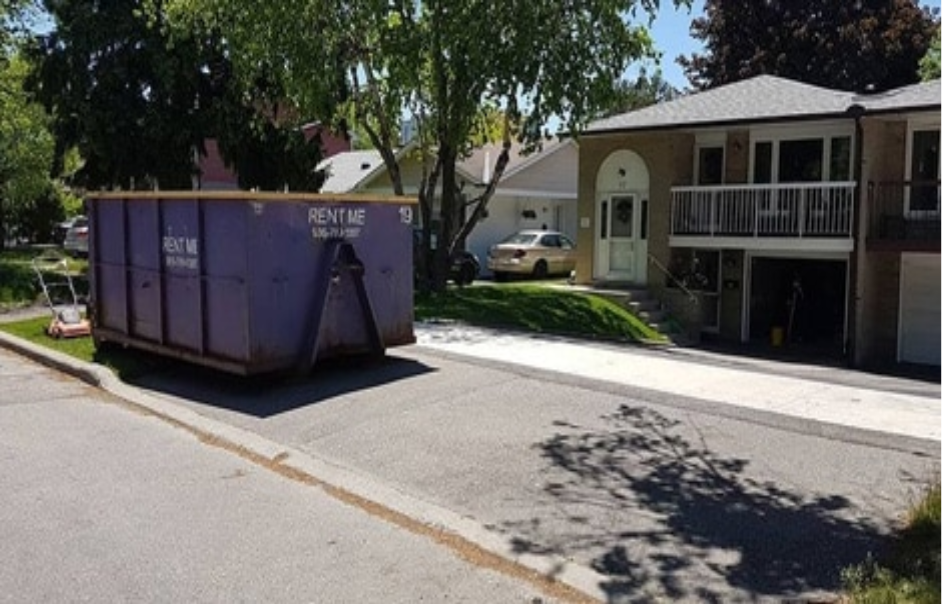
Understanding dumpster rental pricing Ontario residents and contractors encounter can be confusing, especially for first-time renters, Purple Dumpster included. Pricing structures are influenced by multiple factors, including disposal regulations, waste measurement methods, rental duration, and the type of materials being discarded. Without a clear understanding of how these elements work together, it’s easy to face unexpected charges or choose a pricing model that doesn’t suit your project.
Understanding Dumpster Rental Pricing in Ontario
Dumpster rental pricing in Ontario is shaped by a combination of environmental regulations, municipal requirements, and operational factors. Unlike a one-size-fits-all model, pricing is influenced by where the dumpster is used, how long it stays on-site, and what goes inside it.
Why Dumpster Rental Prices Vary Across Ontario
Prices can vary significantly from one region to another within Ontario. Population density, landfill availability, and transportation distances all play a role. Areas with limited landfill capacity or stricter waste diversion rules may have higher disposal-related charges, which can influence overall pricing structures.
Local bylaws also impact pricing. Some municipalities require permits for dumpsters placed on public property, while others impose specific rules for waste separation or recycling compliance. These regional differences make it important to understand local requirements before renting a dumpster.
Impact of Landfill Tipping Fees and Disposal Regulations
Landfill tipping fees are a major factor in dumpster rental pricing. These fees are charged by disposal of facilities based on the type and amount of waste being dumped, Milton dumpster rentalincluded. Ontario’s waste management regulations prioritize diversion and recycling, which can affect how different materials are processed and charged. Certain materials require special handling due to environmental concerns. Disposal regulations are designed to reduce landfill use and protect ecosystems, but they also add complexity to pricing models, especially mixed or heavy waste loads.
Urban vs Suburban and Rural Cost Differences
Urban areas typically have higher demand for dumpster rentals, limited space for disposal facilities, and stricter placement regulations. These factors can influence pricing structures compared to suburban or rural areas, where access may be easier, and landfill proximity may differ.
Rural areas may face longer transportation distances to disposal sites, while urban centers often deal with congestion and permit requirements. These logistical differences contribute to variations in how dumpster rentals are priced across Ontario.
Flat-Rate Dumpster Rental Pricing Explained
Flat-rate pricing is one of the most common and straightforward dumpster rental models used in Ontario, includingAjax dumpster rental. It offers simplicity and predictability, making it popular for residential and small-scale projects.
What’s Included in Flat-Rate Dumpster Pricing
Flat-rate pricing generally includes delivery of the dumpster, a set rental period, pickup after use, disposal of waste, and an included weight allowance. This structure is designed to provide clarity by bundling services at a single, predictable rate.
The key advantage of flat-rate pricing is transparency. Renters know upfront what services are included, which reduces uncertainty and helps with project planning.
Typical Flat-Rate Dumpster Structures in Ontario
While the exact structure may vary, flat-rate rentals usually come with predefined limits. These limits often relate to how long the dumpster can be kept and how much weight it can contain. Staying within these parameters is essential to avoid additional charges.
Flat-rate pricing is commonly used for home cleanouts, renovations, and landscaping projects where waste volume and type are relatively predictable.
Included Weight Limits and Rental Duration
Every flat-rate dumpster includes a weight allowance. This allowance is based on the dumpster size and intended use. Exceeding the weight limit can lead to overage charges, even under a flat-rate agreement.
Rental duration is another important factor. Flat-rate rentals typically allow the dumpster to remain on-site for a specific number of days. Keeping it longer than agreed may result in extended rental fees.
Weight-Based Dumpster Pricing Explained
Weight-based pricing offers a different approach, where costs are determined by the actual weight of the waste disposed of rather than a predefined allowance.
How Weight-Based Pricing Works Step by Step
With weight-based pricing, the dumpster is weighed after disposal at a landfill or transfer station. Charges are calculated based on the recorded weight of the contents. This method directly reflects how much waste is being processed.
This pricing model is often used for projects where waste weight is uncertain, or where materials vary significantly in density.
Average Cost Per Ton in Ontario (Conceptual Overview)
In Ontario, weight-based pricing typically relies on per-ton measurement systems set by disposal facilities. These rates are influenced by landfill operations, environmental compliance requirements, and waste type classifications.
Rather than offering predictability, this model emphasizes accuracy. Renters pay based on actual disposal impact rather than estimates.
Heavy Materials That Increase Disposal Costs
Certain materials are significantly heavier than they appear. Concrete, soil, roofing shingles, bricks, and drywall can quickly increase the total weight of a dumpster. When using weight-based pricing, these materials can substantially affect the final charge.
Understanding material density is essential when choosing between flat-rate and weight-based pricing, particularly for construction and demolition projects.
Hidden Fees to Watch Out for in Dumpster Rentals
Hidden fees are often the source of frustration for renters, including those usingBrampton bin rental services. These charges usually stem from misunderstandings or lack of clarity about rental terms.
Overage Weight Fees and How They’re Calculated
Overage fees apply when the dumpster exceeds its allowed weight limit. These fees are calculated based on how much additional weight is recorded beyond the included allowance. Even small overages can result in additional charges.
Being aware of weight limits and monitoring what goes into the dumpster helps reduce the risk of overage fees.
Extended Rental and Late Pickup Charges
If a dumpster remains on-site longer than the agreed rental period, extended rental fees may apply. Delayed pickups, whether due to scheduling issues or project delays, can also trigger additional charges.
Clear communication and realistic project timelines are essential to avoid these fees.
Prohibited Material Surcharges
Certain materials are prohibited from standard dumpster disposal due to environmental regulations. Items such as hazardous waste, electronics, tires, and certain appliances often require special handling.
Including prohibited materials in a dumpster can result in surcharges or refusal of disposal. Reviewing allowed material lists before loading the dumpster is critical.
Flat Rate vs Weight-Based Pricing: Which Is Right for You?
Choosing between flat-rate and weight-based pricing depends on the nature of the project, the type of waste, and the level of cost predictability required.
Best Pricing Option for Homeowners
For homeowners undertaking cleanouts, renovations, or landscaping projects, flat-rate pricing is often preferred. Household waste is generally lighter and more predictable, making it easier to stay within weight limits.
Flat-rate pricing also simplifies budgeting and reduces the risk of unexpected charges.
Best Pricing Option for Contractors and Builders
Contractors and builders working with heavy materials may prefer weight-based pricing, especially when waste composition varies. This model provides flexibility for large or ongoing projects where estimating weight in advance is difficult.
Weight-based pricing can be more practical when dealing with dense construction debris.
Cost Predictability vs Flexibility
Flat-rate pricing prioritizes predictability, while weight-based pricing offers flexibility. Understanding this trade-off helps renters select the model that aligns with their project goals and risk tolerance.
How to Avoid Overpaying for Dumpster Rentals
Avoiding unnecessary charges starts with preparation and clear communication.
Choosing the Right Dumpster Size
Selecting the appropriate dumpster size reduces the risk of overfilling or exceeding weight limits. Oversized dumpsters may lead to unused capacity, while undersized ones increase the likelihood of overages.
Estimating Waste Weight Accurately
Estimating waste weight requires understanding material density and project scope. Separating heavy materials or using dedicated dumpsters for specific waste types can help manage weight effectively.
Asking the Right Questions Before Booking
Before booking, renters should ask about weight limits, rental duration, prohibited materials, and potential additional charges. Clear answers upfront help prevent misunderstandings later.
Conclusion
Dumpster rental pricing in Ontario is influenced by multiple factors, including location, disposal regulations, waste type, and pricing structure. Understanding the difference between flat-rate and weight-based pricing empowers renters to choose the option that best fits their project needs.
By being aware of potential hidden fees, estimating waste accurately, and asking the right questions before booking, renters can avoid surprises and manage their projects more effectively. An informed approach to dumpster rental pricing leads to smoother operations, better budgeting, and greater peace of mind.
Reaching out Through the contact page, you can help address details before booking.
FAQs
Q 1: How much does a dumpster rental cost in Ontario?
Dumpster rental costs in Ontario vary widely depending on factors such as dumpster size, rental duration, waste type, and disposal requirements. Rather than focusing on a single figure, renters should understand how pricing models work and what services are included. This approach helps ensure accurate expectations and avoids confusion caused by variable pricing structures.
Q 2: What is the difference between flat-rate and weight-based dumpster pricing?
Flat-rate pricing bundles services such as delivery, pickup, disposal, and a set weight allowance into one predictable structure. Weight-based pricing, on the other hand, calculates charges based on the actual weight of the waste disposed of. Flat-rate pricing emphasizes predictability, while weight-based pricing focuses on accuracy and flexibility.
Q 3: Are landfill fees included in dumpster rental pricing in Ontario?
In many cases, landfill fees are included within flat-rate pricing models, provided weight limits are not exceeded. With weight-based pricing, landfill fees are typically calculated separately based on the recorded weight of the waste. Understanding how landfill fees are handled is essential when comparing rental options.
Q 4: What happens if I exceed the dumpster weight limit?
Exceeding a dumpster’s weight limit usually results in overage fees. These fees are calculated based on the additional weight beyond the included allowance. To avoid overages, renters should monitor the type and quantity of materials placed in the dumpster and avoid mixing heavy debris with lighter waste.
Q 5: Are there hidden fees in dumpster rentals?
Hidden fees often arise from unclear terms rather than intentional concealment. Common examples include overage charges, extended rental fees, prohibited material surcharges, and permit-related costs. Asking detailed questions and reviewing rental agreements carefully helps ensure transparency and prevent unexpected charges.