

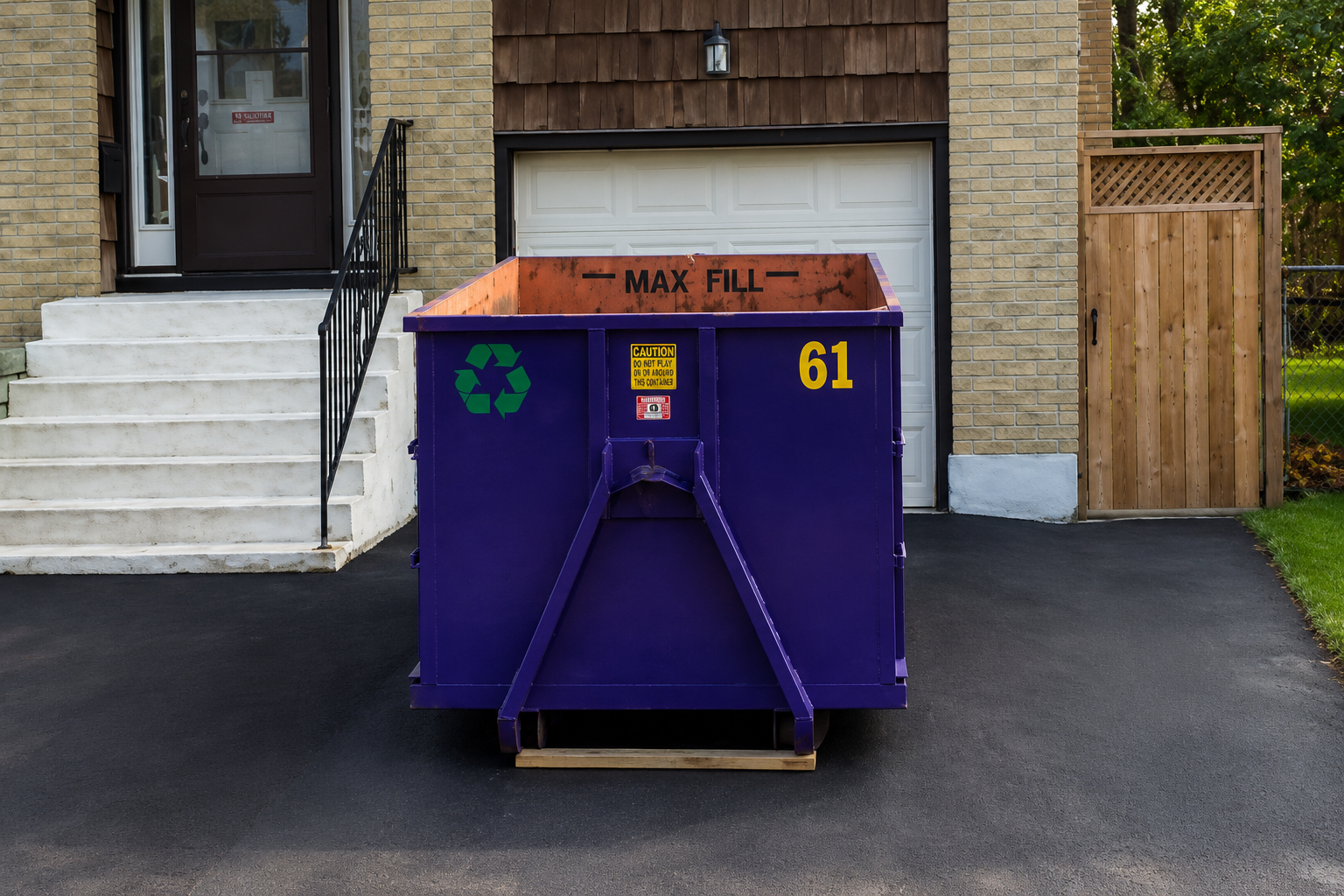
Dumpster bin rental is a simple way to handle large amounts of waste from home cleanouts, renovations, moves, and construction projects. But when you search online, you may also see terms such as “rent bin,” “dumpster rental,” and “dumpsters.” These terms can make the rental process seem more confusing than it needs to be.
At Purple Dumpster, we know that choosing a waste container should be simple. In this guide, we explain what these terms mean, why people use different names, and what you should check before booking. If you are searching for dumpster bin rental milton, the same basic information can help you make a better choice.
Key Takeaways
The words used for waste containers can change by region and company. However, the service is often very similar. The most important things to compare are the container size, waste type, rental period, placement rules, and total cost.
- “Dumpster,” “bin,” and “rent bin” can describe similar services.
- Local language can affect which term people use.
- Your waste type helps determine the right rental.
- Container size should match the amount of waste.
- Always check rental rules before filling a container.
What Is Dumpster Bin Rental?
Dumpster bin rental means hiring a waste container for a set period. The company delivers the container to your property, you fill it with approved waste, and the company collects it when the rental ends. This can be much easier than making many trips to a disposal site.
The term “dumpster” is common in North America, while “bin” is also widely used in Canada. Some companies use both words to describe their services. In most cases, the name is less important than the actual container, size, waste rules, rental time, and pickup service.
What Does a Typical Rental Include?
A typical rental is designed to make waste removal easier during a project. You do not need to transport every load yourself. Instead, the container stays at your property while you complete your work.
- Delivery of the container.
- A set rental period.
- Space for approved waste.
- Pickup after the rental period.
- Disposal of accepted materials.
The exact service can vary between providers. Some companies may have different sizes, rental periods, or pricing rules. That is why it is always a good idea to ask what is included before you book.
What Does “Rent Bin” Mean?
“Rent bin” is a simple phrase people use when they want to hire a waste bin. It usually does not describe a completely different service. In many cases, someone searching for “rent bin” is looking for the same type of temporary waste container that another person may call a dumpster.
Search terms often depend on where someone lives. One person may search for “dumpster rental,” while another may type “bin rental.” Both searches can lead to companies offering similar waste removal services.
Why Are Different Terms Used?
Waste companies may use several terms because customers search in different ways. Regional language can also affect the words people use. A company may even use “dumpster” on one page and “bin” on another to explain the same service.
- Dumpster usually describes the waste container.
- Bin is another common term for a waste container.
- Rent bin describes the process of hiring a bin.
- Dumpster rental describes the complete rental service.
- Dumpsters simply refers to more than one dumpster.
Because of these differences, do not choose a rental based only on the name. Check the service details instead. The right container should match your project, waste, space, and rental needs.
Dumpster Bin Rental vs. Rent Bin: Are They Different?
For most home and small business projects, dumpster bin rental and “rent bin” are simply different ways of describing a similar service. Both normally involve getting a container delivered, filling it with approved materials, and having it removed when you are finished.
The biggest difference is often the wording used by customers or rental companies. Some areas may use “bin” more often, while others may use “dumpster.” The actual service can still be almost the same.
What Should You Compare?
When comparing rental options, focus on the details that can affect your project. This will help you avoid choosing a container that is too small or unsuitable for your waste.
- Container size and capacity.
- Types of waste allowed.
- Weight limits.
- Rental period.
- Delivery and pickup terms.
- Placement requirements.
- Extra fees, if any.
These details give you a much clearer picture of the service than the word “bin” or “dumpster” alone. Always read the rental terms before making your final choice.
When Should You Rent a Dumpster?
A dumpster rental can be useful when your project creates more waste than your regular garbage service can handle. Home renovations are a common example. Removing old cabinets, flooring, drywall, or other approved materials can quickly create more waste than a normal household bin can hold.
A rental can also help with garage cleanouts, basement clearouts, moving, landscaping, construction, and large decluttering projects. Having one container on-site gives you a convenient place to put waste as you work.
Common Projects That Need a Rental
The size of your project will usually determine whether a rental is useful. A small cleanout may need a smaller container, while a major renovation may require more capacity.
- Kitchen or bathroom renovations.
- Garage and basement cleanouts.
- Moving and home decluttering.
- Construction and remodeling work.
- Property cleanup projects.
- Landscaping work with approved materials.
For example, homeowners searching for dumpster bin rental burlington may be preparing for a renovation or large cleanup. Local waste rules still matter, so check what materials can be placed in the container before starting your project.
How Do You Choose the Right Dumpster Size?
Choosing the right size is an important part of the rental process. A container that is too small may fill before your project is finished. A container that is too large may take up more space and cost more than necessary.
Start by estimating how much waste you will create. Think about the materials you are removing and how quickly the container will fill. If you are unsure, explain your project to the rental provider and ask which size would be suitable.
Consider the Type of Waste
The amount of waste is not the only factor. Some materials are much heavier than others. For example, concrete, soil, bricks, and other heavy materials may have different weight rules than household or renovation waste.
You should also check whether your materials are accepted. Hazardous items often require special disposal. The City of Burlington provides separate guidance for household hazardous waste, including items such as paints, batteries, and chemicals.
Does Location Change the Rental Terms?
Location can affect the rental process. Different cities may have their own rules for placing containers, managing waste, or disposing of certain materials. Your rental company may also have a specific service area and delivery policy.
This is why local research matters. If you are planning a project in Bowmanville, for example, searching for dumpster bin rental bowmanville can help you find services that cover your area. However, always confirm the exact delivery location with the provider.
What Should You Check Locally?
Local requirements can affect where a container can be placed. You may also need to think about access for the delivery truck and pickup vehicle. A narrow driveway, busy street, or limited parking area may require extra planning.
- Confirm that the company serves your address.
- Check where the container can be placed.
- Make sure there is enough space for delivery.
- Ask about local permits if needed.
- Check local rules for special waste.
Good planning can prevent delays and make the rental process smoother. It is better to confirm these details before delivery than to discover a problem after the container arrives.
What Can You Put in a Dumpster?
The materials you can place in a dumpster depend on the rental company and the type of container. Common household and renovation waste may be accepted, but some materials require special handling.
Before filling the container, ask the provider for a list of accepted and prohibited items. This is especially important if your project involves chemicals, electronics, appliances, tires, or other materials that may have separate disposal rules.
Why Do Waste Rules Matter?
Putting prohibited materials into a container can create safety problems and may lead to additional charges. It can also make the waste harder to process or dispose of correctly.
For example, household hazardous waste should not simply be mixed with regular waste. Local government waste programs often provide separate options for these materials. Checking the rules before your project begins can save time and prevent problems.
What Should You Ask Before Renting?
Before you order a dumpster, make sure you understand the rental terms. A quick conversation with the provider can help you choose the right size and avoid unexpected costs.
Explain what type of project you are doing and what materials you expect to remove. The provider can then help you understand which container may work best for your needs.
Questions to Ask Your Rental Provider
Use these questions when comparing different rental services. They can also help you understand whether two companies offering different terms are actually providing similar services.
- What size container do I need?
- What materials are accepted?
- Are there weight limits?
- How long can I keep the container?
- Is delivery included?
- Is pickup included?
- Are there extra charges?
- Where can the container be placed?
The answers will give you a better idea of the total service. They also make it easier to compare companies fairly instead of choosing based only on the advertised rental price.
Dumpster, Bin, or Rent Bin: Which Should You Search?
You do not need to worry about finding one “correct” term. If you need a temporary waste container, try related searches such as “dumpster rental,” “bin rental,” or “rent bin.” Using several terms can help you find more suitable local options.
Once you find a provider, focus on the actual service. Check the container size, waste rules, rental period, delivery area, pickup process, and pricing before making your decision.
Final Thoughts
The difference between dumpster bin rental and “rent bin” is usually smaller than it first appears. In many cases, both terms refer to hiring a temporary waste container for a home, renovation, cleanup, or construction project. The wording may change based on local language, customer habits, or how a company describes its service.
Ready to make your cleanup easier? Contact Purple Dumpster today to discuss your project and find a dumpster rental option that fits your needs.
FAQs
Is a dumpster bin rental the same as a rent bin service?
Yes, in many cases they refer to the same type of temporary waste container service. The wording may differ by region or rental company.
What can I put in a dumpster rental?
You can usually dispose of approved household, renovation, and construction waste. Always check the provider’s list of accepted and prohibited materials first.
How do I choose the right dumpster size?
Choose a size based on the amount and type of waste your project will create. If you are unsure, ask the rental company for a size recommendation.
How long can I rent a dumpster bin?
The rental period depends on the company and your project needs. Confirm the allowed rental time and any extra daily charges before booking.
Do dumpster rental terms vary by location?
Yes, terms and wording can vary by region. Local rules may also affect container placement, accepted materials, and waste disposal.