


Renting a dumpster in Toronto is not as simple as placing a container and starting your project. Each neighborhood has unique bylaw interpretations, enforcement priorities, and logistical challenges. This is especially true in Etobicoke and Rexdale, where residential density, road layouts, and mixed-use zoning create stricter oversight.
Understanding dumpster permit Toronto Etobicoke requirements and dumpster rules Rexdale residents must follow is critical for homeowners, contractors, and property managers who want to avoid fines, delays, or forced removals. This guide from Purple Dumpster breaks down everything you need to know clearly, practically, and in compliance with Toronto municipal regulations.
Why Dumpster Rules Differ Across Toronto Neighborhoods
Toronto operates under city-wide bylaws, but enforcement and interpretation often vary at the neighborhood level. Etobicoke and Rexdale are prime examples of how local conditions influence dumpster regulations.
How Toronto Municipal Bylaws Are Applied Locally
Toronto’s municipal bylaws regulate street occupation, obstruction, waste handling, and public safety. While these bylaws apply across the city, how they are enforced depends on local conditions such as traffic flow, pedestrian volume, and housing density. A placement that may be tolerated on a quiet residential street could be flagged quickly in a busier area.
Role of District-Based Bylaw Enforcement Officers
Bylaw enforcement officers are assigned by the district. Officers working in Etobicoke and Rexdale are familiar with recurring issues such as blocked sidewalks, illegal curb usage, and access to complaints. Their local knowledge often results in faster inspections and stricter enforcement when violations are common.
Residential Density Differences Between Etobicoke and Rexdale
Etobicoke includes a mix of detached homes, commercial corridors, and industrial zones, while Rexdale has a higher concentration of townhomes, apartment buildings, and shared driveways. These differences directly impact where dumpsters can be placed and how long they can remain on-site without causing obstruction.
Dumpster Permit Requirements in Etobicoke
Etobicoke follows Toronto’s standard street occupation rules, but enforcement is particularly attentive due to traffic patterns and mixed zoning.
When a Dumpster Permit Is Required in Etobicoke
A dumpster permit is required whenever a container is placed on any portion of public property, including streets, curbs, sidewalks, or boulevards. Even partial encroachment onto city property typically triggers permit requirements. Dumpsters placed fully on private property may not require a permit, provided no public access is blocked, even when using a Brampton dumpster rental service.
Street Placement vs Private Driveway Placement
Street placement is more heavily regulated and requires explicit authorization. Driveway placement is generally allowed only when the driveway is entirely private and does not cross city-owned land. In Etobicoke, many driveways extend over municipal boulevards, making them partially public and subject to bylaw rules.
Driveway Dumpster Rules and Clearance Requirements
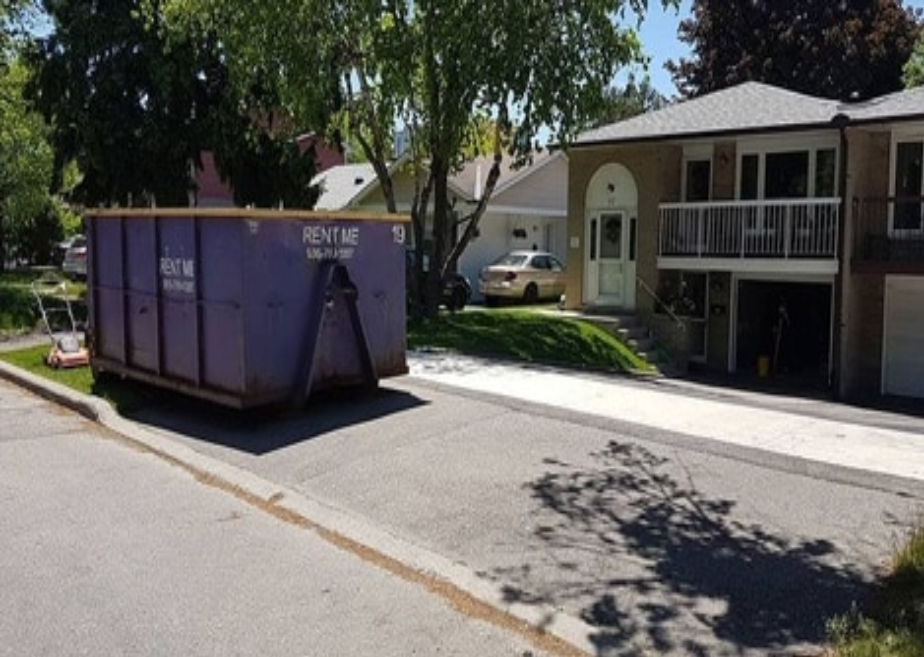
When placing a dumpster in a driveway, clearance must be maintained for sidewalks, visibility at intersections, and neighboring access points. Dumpsters must not obstruct pedestrian paths or interfere with emergency access routes. Improper driveway placement is one of the most common causes of bylaw warnings in Etobicoke, and even those using services like Dumpster rental Milton should ensure proper clearance to comply with local regulations.
Dumpster Rules and Restrictions in Rexdale
Rexdale presents additional challenges due to denser housing and narrower residential streets.
Higher Enforcement in High-Density Housing Areas
Because Rexdale has more multi-unit properties and shared infrastructure, bylaw enforcement is particularly strict. Dumpsters that block access points, fire routes, or communal spaces are often reported quickly by residents or property management.
Narrow Streets and Curbside Placement Risks
Many Rexdale streets were not designed to accommodate large temporary containers. Curb placement can reduce road width, limit parking, and disrupt traffic flow. As a result, curb rules are enforced more aggressively, and improperly placed dumpsters are more likely to receive tickets.
Dumpster Rules for Townhomes and Multi-Unit Properties
Townhomes and apartment complexes often have additional internal rules beyond city bylaws. Property managers or condo boards may restrict dumpster size, placement location, or duration. Even if a city permit is obtained, internal approvals are still required to avoid disputes or forced removal.
Curb, Street, and Driveway Placement Rules in Toronto
Placement rules are at the center of most dumpster-related violations in Toronto neighborhoods.
When Curbside Dumpster Placement Is Legal
Curbside placement is legal only with a valid permit and when the dumpster does not obstruct traffic, bike lanes, or pedestrian pathways. Visibility requirements must be met, and reflective markings are typically required to ensure safety during nighttime hours.
Sidewalk Clearance and Accessibility Compliance
Toronto bylaws require that sidewalks remain accessible at all times. Dumpsters must not block wheelchair access, stroller pathways, or pedestrian routes. Even temporary obstructions can result in tickets if accessibility standards are compromised.
Driveway Placement on City vs Private Property
A key distinction is whether the driveway is fully private or partially city-owned. Many homeowners assume their driveway is private when it includes a boulevard or sidewalk crossing. Dumpsters placed in these areas are considered to be on public land and subject to permit rules.
Common Dumpster Violations That Result in Toronto Fines
Understanding common violations can help prevent unnecessary enforcement actions.
Placing a Dumpster Without a Street Occupation Permit
This is one of the most frequent violations. Even short-term placements without proper authorization can result in tickets or removal of orders.
Blocking Sidewalks, Bike Lanes, or Wheelchair Access
Any obstruction of public pathways is taken seriously. Accessibility violations often result in immediate enforcement rather than warnings.
Exceeding Approved Permit Timeframes
Permits are issued for specific durations. Leaving a dumpster beyond the approved time window even by a day can result in penalties or forced removal, so it’s important that anyone using a Dumpster service Erin schedules pickups and drop-offs according to the permit timeframe.
Contractor vs Homeowner Responsibilities in Toronto
Responsibility for compliance depends on who controls the project and placement decisions.
Who Is Legally Responsible for Dumpster Fines
In most cases, the individual or entity listed on the permit is responsible. If no permit exists, responsibility may fall on the property owner or contractor overseeing the project.
Contractor Permit Obligations
Contractors are generally expected to understand and follow local bylaws. Repeat violations can result in increased scrutiny on future projects, particularly in tightly regulated neighborhoods.
Home Renovation Dumpster Rules
Homeowners are not exempt from compliance. Renovation projects must follow the same placement, permit, and accessibility rules as commercial projects.
Conclusion
Navigating dumpster permits Toronto Etobicoke requirements and dumpster rules Rexdale residents face requires more than general knowledge of city bylaws. Local enforcement patterns, neighborhood layouts, and property types all play a role in determining what is allowed.
By understanding curb rules, driveway allowances, bylaw restrictions, and approved time windows, homeowners and contractors can significantly reduce the risk of tickets, delays, and disputes. Proper planning and awareness ensure that waste management supports your project rather than disrupting it.
Contact Purple Dumpster before placing a dumpster on-site.
Frequently Asked Questions
Q.1 DoI need a permit for a dumpster in Etobicoke?
Yes, a permit is required if the dumpster is placed on any portion of public property, including streets, sidewalks, or boulevards. Even if only part of the dumpster extends onto city land, a permit is typically necessary. Dumpsters placed entirely on private property may not require a permit, but care must be taken to ensure no public access is obstructed.
Q.2 Are dumpster rules different inRexdale compared to Etobicoke?
Yes, while the same city bylaws apply, enforcement tends to be stricter in Rexdale due to higher residential density and narrower streets. Multi-unit housing, shared access points, and fire routes increase the likelihood of inspections and complaints, leading to more active enforcement.
Q.3 Can I place a dumpster on my driveway in Toronto?
Driveway placement is allowed only if the driveway is fully private and does not cross or include city-owned land. Many driveways include sidewalks or boulevards, which are considered public property. If any part of the dumpster sits on public land, a permit is required.
Q.4 How long can a dumpster stay on the street in Toronto?
Street placement is limited to the duration specified on the permit. Time windows vary based on location and project type. Exceeding the approved timeframe even unintentionally can result in fines or removal orders.
Q.5 What happens if Idon’t get a dumpster permit?
Failure to obtain a required permit can result in tickets, forced removal of the dumpster, and potential delays to your project. Repeat violations may lead to increased enforcement attention on future placements, particularly in neighborhoods like Etobicoke and Rexdale.