


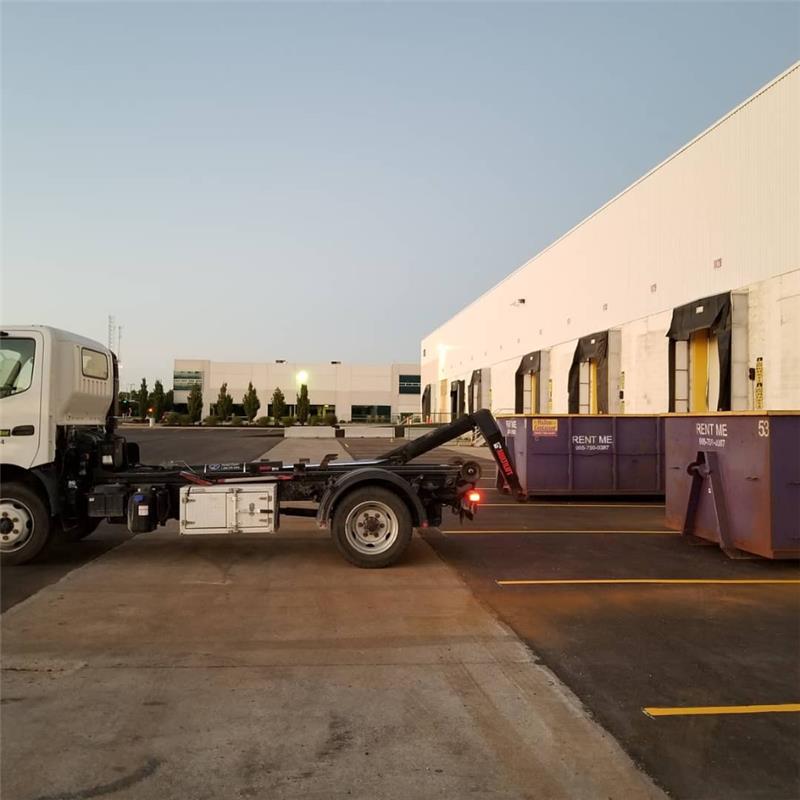

Planning a community event or festival requires careful coordination, and event dumpster rental Guelph services such asPurple Dumpster play a vital role in keeping gatherings clean, safe, and compliant. From small neighborhood celebrations to large public festivals, waste can accumulate quickly without the right bins and disposal strategy in place.
Effective event waste management supports public health, protects the environment, and aligns with the City of Guelph’s waste diversion goals. By understanding dumpster rental options, bin placement strategies, and vendor responsibilities, event organizers can create a well-organized, sustainable experience for attendees, volunteers, and vendors alike.
Why Waste Management Is Critical for Community Events in Guelph
Community events bring people together, but they also generate significant amounts of waste in a short period of time. Without a structured plan, waste can overflow, contaminate recyclable materials, and create safety risks.
Public Health, Sanitation, and Crowd Safety
Large gatherings increase the risk of sanitation issues when waste is not managed properly. Overflowing bins attract pests, create unpleasant odors, and pose slip or trip hazards. Adequate waste containment reduces health risks, prevents litter accumulation, and supports emergency access routes throughout the event space.
Environmental Impact of Festival Waste
Festivals and events often produce single-use food containers, beverage packaging, and organic waste. When recyclables and compostable materials are not separated correctly, they often end up in landfills. Proper waste stream separation helps reduce landfill use and support broader environmental sustainability goals.
City of Guelph Waste Diversion Expectations
Guelph is widely recognized for its strong commitment to waste diversion and environmental responsibility. Event organizers are increasingly expected to align with municipal waste reduction strategies, including recycling and organics collection. Having a clear waste plan demonstrates accountability and environmental stewardship.
Understanding Event Dumpster Rental Options in Guelph
Not all events generate the same type of waste. Choosing the right dumpster configuration and bin rental depends on event size, duration, layout, and the types of activities involved.
Roll-Off vs Front-Load Dumpsters for Events
Roll-off dumpsters are commonly used for larger events due to their high capacity and suitability for bulky waste. They are ideal for festivals, concerts, and multi-day gatherings.
Front-load dumpsters are often used for smaller community events or vendor-only waste areas where frequent servicing may be required. These containers are typically easier to position in tighter spaces.
Temporary vs Multi-Day Event Rentals
Single-day events may require fewer bins but still need adequate capacity during peak hours. Multi-day festivals generate cumulative waste and often require scheduled servicing or bin swaps to prevent overflow.
Matching Bin Size to Attendance Numbers
Estimating attendance accurately is essential. Larger crowds, food vendors, and beverage stations significantly increase waste output. Underestimating bin capacity often leads to overflow, contamination, and cleanup challenges during or after the event.
Estimating the Right Number of Bins for Your Event
Accurate waste estimation is one of the most important steps in event planning. The number and type of bins required depend on several factors.
Waste Generation per Attendee
On average, each event attendee generates a measurable amount of waste, especially at food-focused events. This includes packaging, disposable utensils, napkins, and beverage containers. Planning based on attendance projections helps avoid shortages.
Food-Heavy vs Low-Waste Events
Events with multiple food vendors generate significantly more waste, including compostable food scraps and soiled packaging. In contrast, informational or cultural events without food typically produce less waste and fewer organics.
Single-Day vs Weekend Festivals
Multi-day events accumulate waste over time. Even with daily servicing, organizers must plan for peak volumes and ensure bins are accessible and properly labeled throughout the event’s duration.
Strategic Bin Placement for Events & Festivals
Where bins are placed can be just as important as how many are provided. Poor placement often results in littering, contamination, and underutilized recycling stations.
Entrances, Exits, and High-Traffic Areas
Placing waste stations near entrances and exits encourages proper disposal as attendees arrive and leave. High-traffic areas naturally generate more waste and require clearly visible, accessible bins.
Food Courts and Beverage Zones
Food and drink areas are the largest waste generators at most events. Multi-stream stations that include garbage, recycling, and compost bins such as those used for garbage bin rental brampton should be placed together to reduce confusion and improve sorting accuracy.
Back-of-House Vendor Waste Areas
Vendors require dedicated waste areas for packaging materials, food scraps, and liquids. Separating vendor waste from public waste helps reduce contamination and keeps service areas organized.
Vendor Waste Rules & Responsibilities
Vendors play a major role in event waste generation. Clear guidelines help ensure waste is managed properly from preparation to cleanup.
Vendor Waste Policies and Contracts
Event organizers should outline waste expectations in vendor agreements. This may include sorting requirements, use of designated waste areas, and participation in composting programs.
Compostable Packaging Requirements
Encouraging or requiring compostable food containers and utensils can significantly improve waste diversion rates. Vendors should be informed in advance to allow for proper preparation.
Grease, Liquids, and Food Waste Handling
Cooking oils, grease, and liquid waste require special handling and should never be disposed of in standard bins. Vendors must be instructed on approved disposal methods to prevent spills and environmental damage.
City Permits & Compliance for Event Waste in Guelph
Many community events require permits, and waste management is often a key component of the approval process.
When Waste Plans Are Required for Permits
Larger events, especially those held in public spaces, often require a documented waste management plan. This outlines bin placement, servicing schedules, and cleanup responsibilities.
Bin Placement Approvals and Restrictions
Certain locations may have restrictions related to accessibility, emergency routes, or public infrastructure. Bin placement must comply with municipal guidelines to avoid safety or operational issues.
Licensed Waste Hauler Requirements
Using licensed and compliant waste service providers helps ensure waste is handled responsibly and according to local regulations. This also supports accurate reporting and post-event accountability.
Conclusion
Successful community events and festivals in Guelph depend on thoughtful planning, and waste management is a critical part of that process. Renting the right combination of waste, recycling, and compost bins and placing them strategically helps protecting public health, support environmental goals, and ensure compliance with city requirements.
By understanding waste generation patterns, setting clear vendor expectations, and aligning with municipal guidelines, event organizers can create cleaner, safer, and more sustainable events. A proactive waste management approach not only reduces environmental impact but also enhances the overall experience for attendees and the surrounding community.
get in touch with Purple Dumpster.
Frequently Asked Questions
1.How many dumpsters does a festival need?
The number of dumpsters required depends on several factors, including expected attendance, event duration, and the presence of food vendors. Larger crowds and food-focused events such as those planning for dumpster bin rental erin ontario typically require more bins and a mix of waste streams. Estimating waste per attendee and planning for peak usage periods helps ensure adequate capacity without overflow.
-
Are compost bins mandatory for food events?
While requirements may vary depending on the event type and location, compost bins are strongly encouraged for food-based events in Guelph. Composting helps divert organic waste from landfills and aligns with the city’s sustainability goals. Many events choose to include compost bins to support environmental responsibility and reduce contamination.
-
Who manages waste after the event ends?
Post-event waste management responsibilities are typically shared between event organizers and their waste service providers. Organizers are responsible for ensuring the site is left clean and compliant, while waste haulers handle bin removal and proper disposal. Clear planning ensures cleanup is efficient and complete.
-
What happens if bins overflow?
Overflowing bins can lead to litter, contamination, and safety hazards. To prevent this, events should plan for extra capacity, monitor bins during peak times, and have contingency options available. Regular checks and timely servicing help keep waste under control throughout the event.
-
5.Can recycling and garbage be mixed?
Recycling and garbage should never be mixed, as contamination can cause entire loads of recyclable material to be diverted to landfill. Clear signage, color-coded bins, and multi-stream waste stations help attendees dispose of materials correctly and improve overall diversion rates.