


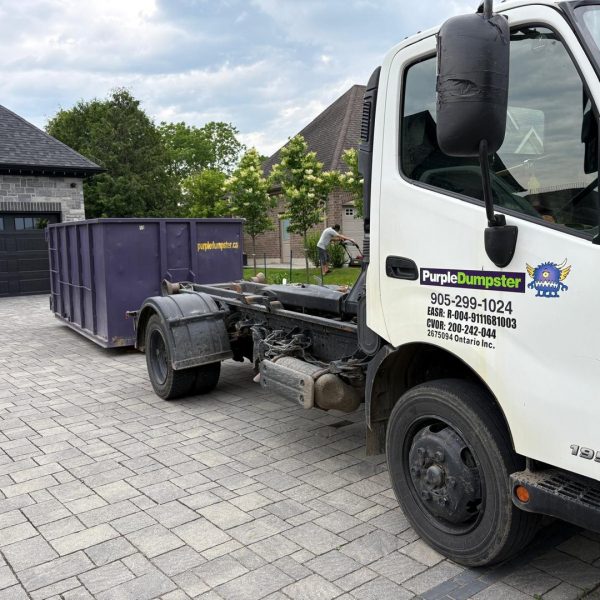
20 yard bin is a popular choice for homeowners and contractors who need more space than a regular garbage bin but do not need a large commercial container. It can work well for renovations, cleanouts, moving projects, and many medium-sized jobs. If you are planning dumpster bin rental georgetown ontario, knowing the right size can help you avoid paying for space you do not need.
At Purple Dumpster, we understand that choosing a bin size can be confusing. A container that looks large may fill faster than expected, while a container that is too large may take up extra space. This guide explains how to estimate your waste, understand 20 yard bin dimensions, and decide when a 20-yard or 40-yard bin makes more sense.
Key Takeaways
Choosing a dumpster should start with your project, not just the container name. Think about the amount of waste, the materials you are removing, the space available, and how long the job will take.
- A 20 yard bin works well for many medium-sized projects.
- 20 yard bin dimensions can vary between rental providers.
- Heavy materials may need special weight limits or rules.
- A 40-yard container offers much more volume.
- Estimating your waste before booking can prevent problems.
What Is a 20 Yard Bin?
A 20 yard bin is a temporary waste container that can hold up to 20 cubic yards of material. It is often used for home renovations, property cleanouts, roofing work, and other projects that create a moderate amount of waste.
The actual size and shape can vary between providers. That means you should not rely only on the “20-yard” label. Ask about the container’s physical dimensions, weight limits, loading rules, and accepted materials before booking.
Why Is a 20 Yard Bin Popular?
The 20-yard size sits in a useful middle range. It provides more room than a small bin without taking up as much space as a very large container. This makes it practical for many residential driveways and smaller job sites.
- Home renovations.
- Garage and basement cleanouts.
- Roofing projects.
- Moving and decluttering.
- Small construction jobs.
- Property cleanup.
For many homeowners, this size provides a good balance between capacity and space. Contractors may also choose it when the project creates a steady but manageable amount of debris.
Understanding 20 Yard Bin Dimensions
When comparing bins, 20 yard bin dimensions are important because the same capacity can have different physical measurements. A container may be longer and lower, or shorter and taller, depending on its design.
A typical 20-yard bin may be around 20 feet long, 8 feet wide, and 4 feet high, but dimensions can vary. Always confirm the exact measurements with your rental provider before delivery, especially if the bin will sit in a driveway or tight work area.
Why Physical Size Matters
Capacity tells you how much material a container can hold, but physical dimensions tell you whether it will fit your property. You need enough space for the bin and enough room for the delivery truck to place it safely.
Before booking, consider the width of your driveway, nearby vehicles, overhead obstacles, gates, and access points. Good planning can help prevent a delivery issue and make loading the bin easier.
How Much Waste Can a 20 Yard Bin Hold?
A 20-yard bin can hold a large amount of loose waste, but the actual amount depends on the type of material. Light household debris may fill the container before reaching a weight limit, while heavy materials can reach weight limits much sooner.
For example, furniture, drywall, cabinets, boxes, and other renovation debris can take up a lot of space. Concrete, brick, soil, and other dense materials can become heavy quickly. Always ask about weight limits before adding heavy materials.
Estimate Your Waste Before Renting
A simple waste estimate can help you decide whether a 20-yard bin is enough. Walk through the project and think about what you will remove, how much space it takes up, and whether the material can be broken down.
- List the materials you expect to remove.
- Estimate the number of bags or loads.
- Break down large items when possible.
- Consider how much space the waste takes up.
- Add a little extra capacity for unexpected waste.
It is better to have a small amount of extra room than to fill the container too quickly. If your estimate is close to the full capacity, ask the rental company whether a larger option would be safer.
When Is a 20 Yard Bin the Right Choice?
A 20-yard bin can be a strong choice for medium-sized residential projects. It works well for many renovation and cleanup jobs and is easier to place than a larger container. If you need dumpster bin rental acton, consider your project size and available space before choosing a bin.
It can also work well when driveway space is limited. However, the right choice depends on the type and amount of waste you have.
Projects That May Fit a 20 Yard Bin
Every project is different, but many common jobs can work well with this container size. The key is to estimate the volume before you order.
- Medium-sized home renovations.
- Garage or basement cleanouts.
- Roofing material removal.
- Moving and large decluttering jobs.
- Small remodeling projects.
- General property cleanup.
If you are clearing out one part of a home or handling a moderate renovation, a 20-yard option may give you enough room without using a larger container.
When Should You Choose a 40 Yard Dumpster?
A 40-yard container is much larger and is designed for projects that create a high volume of waste. It may be better for major renovations, large construction projects, commercial cleanouts, or large-scale demolition work.
A 40 yard dumpster rental can provide more space when a 20-yard bin would fill too quickly. However, the larger size also needs more room for placement. You should make sure the site can safely handle the container and delivery truck.
20 Yard vs. 40 Yard: Which Is Better?
The best choice depends on the size of your project. A 20-yard bin may be enough for a medium home project, while a 40-yard container can make more sense when you have a large amount of bulky waste.
- 20 yard: Medium home cleanouts and renovations.
- 20 yard: Smaller construction or roofing projects.
- 40 yard: Large renovations and major cleanouts.
- 40 yard: Commercial and construction projects with high waste volume.
Do not automatically choose the largest container. If your project is small, a 20-yard option may be easier to place and manage. If your waste volume is high, however, the larger option may reduce the need for multiple rentals.
How Does a 40 Yard Bin Compare?
A 40-yard bin provides roughly twice the volume of a 20-yard container. This makes it useful for projects that produce a large amount of waste in a short time.
A 40 yard bin rental may be suitable for large construction projects, major renovations, commercial cleanouts, and demolition work. The exact dimensions and weight rules can vary, so check with the rental company before ordering.
What Makes a 40 Yard Bin Different?
The main difference is capacity. A 40-yard container gives you more room for bulky waste, but that does not mean it is always the better option.
A larger bin requires more placement space and may not be suitable for every driveway or property. If you only have a moderate amount of waste, a 20-yard container can be a more practical choice.
How Location Can Affect Your Dumpster Choice
Your location can affect delivery, placement, and local waste rules. For example, someone searching for dumpster bin rental mississauga may need to consider driveway access, property space, and local requirements before choosing a container.
Rental companies may also have different service areas and delivery policies. Before booking, provide your exact project location and explain where you want the bin placed. This allows the provider to confirm whether delivery is possible.
What Should You Check Before Delivery?
Good planning can make the delivery process easier. The container needs enough room, and the truck needs safe access to the property.
- Measure the available placement area.
- Check for low branches or overhead wires.
- Keep vehicles away from the delivery area.
- Make sure gates and driveways are wide enough.
- Ask about surface protection if needed.
Taking these steps before delivery can help avoid delays. It also gives you a better idea of whether a 20-yard or 40-yard container is practical for your property.
What Materials Can Go in a 20 Yard Bin?
The materials accepted in a 20-yard bin depend on the rental company and the type of container. Many providers accept common household and renovation debris, but some materials may have special rules.
Before loading the bin, ask about prohibited items. Hazardous waste, certain chemicals, liquids, and other restricted materials may need separate disposal. Never assume that every type of waste can go into the same container.
Why Waste Type Matters
Waste type affects both capacity and weight. A bin filled with light household debris behaves very differently from one filled with dense construction material.
For example, large amounts of concrete or soil can become extremely heavy before the container is full. This is why your provider may have separate rules for heavy materials. Checking these rules before starting your project can help you avoid extra charges or unsafe loading.
How to Plan Your Bin Rental
Planning your rental before the project begins can save time and money. Start by making a simple list of the work you will complete and the waste it will create.
Then compare that estimate with the available container sizes. If you are unsure between a 20-yard and 40-yard option, explain the project to the rental provider. They can help you select a container based on the waste type and expected volume.
Final Thoughts
Choosing the right 20 yard bin depends on the amount and type of waste your project will create, along with the space available for the container. For medium-sized renovations, cleanouts, and home improvement projects, a 20-yard bin can offer a practical balance of capacity and convenience. Larger construction or cleanup projects may need a 40-yard option.
Before booking, check the bin dimensions, weight limits, accepted materials, rental period, and placement requirements. Planning a cleanup or renovation? Reach out to Purple Dumpster to discuss your project and get guidance on the bin size that makes the most sense for your needs.
FAQs
What is a 20 yard bin best for?
A 20 yard bin is ideal for medium-sized renovations, cleanouts, roofing projects, and home improvement work.
What are typical 20 yard bin dimensions?
Dimensions vary by provider, but many 20-yard bins are around 20 feet long, 8 feet wide, and 4 feet high.
When should I choose a 40 yard dumpster?
A 40 yard dumpster is better for large renovations, construction projects, major cleanouts, and high-volume waste.
Can I put heavy materials in a 20 yard bin?
Some heavy materials may be accepted, but weight limits can apply. Always confirm the rules before loading heavy debris.
How do I know which bin size I need?
Estimate your waste volume, consider the material type, and check your available space. When unsure, ask the rental provider for guidance.